The moka pot is sold in half the world as "stovetop espresso", and the phrase has done real damage. People buy one expecting a shot, get something else, and conclude they have failed. They have not. They have made exactly what the device makes, which is a good drink with its own name.
No, it is not espresso. Espresso is defined by pressure, around nine bar, and a moka pot generates roughly one to two bar. That gap is not a matter of degree. It changes what dissolves, what emulsifies, and what the drink physically is. What a moka pot makes is strong, concentrated, low-pressure coffee. That is worth having. It is simply not the same drink.
What the pressure is actually doing
At nine bar, water is forced through a compacted bed of very fine coffee in about twenty-five to thirty seconds. That pressure does something specific: it emulsifies the coffee's oils into the water and drives dissolved carbon dioxide into suspension. The result is crema, and more importantly a texture, a weight on the tongue that filter coffee does not have.
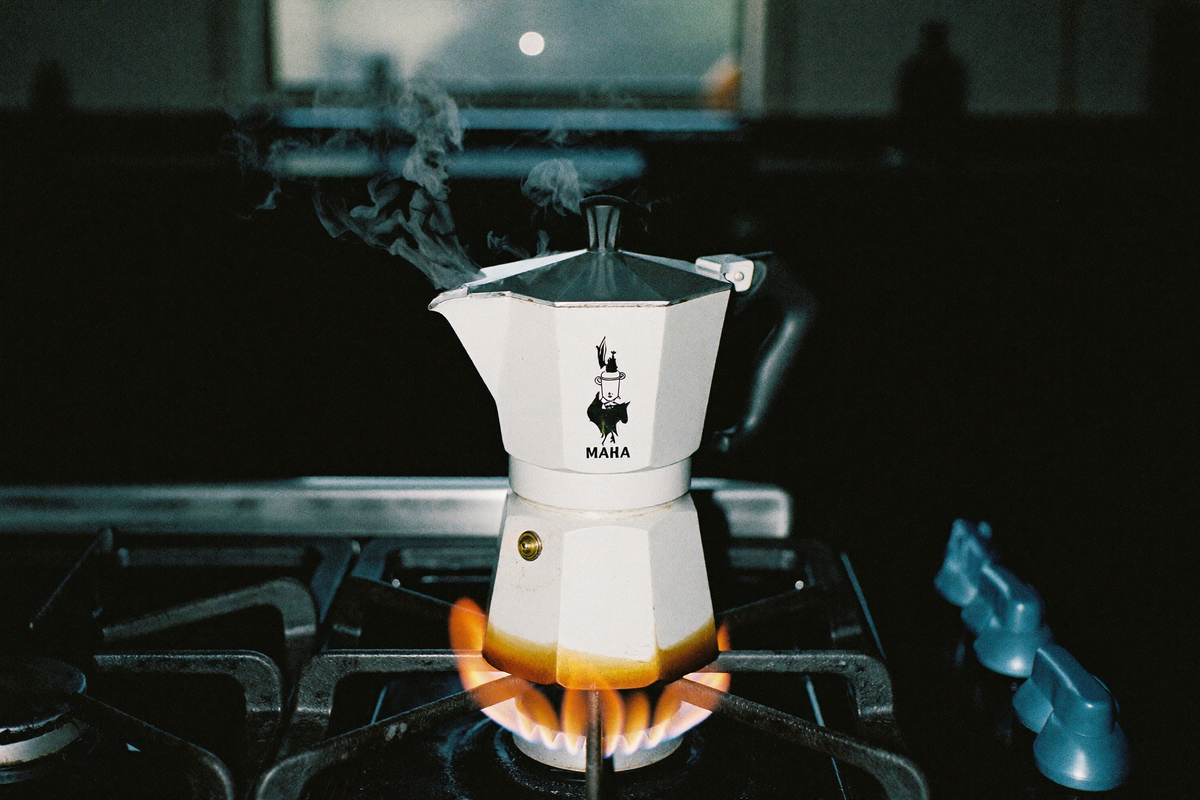
A moka pot works by a different mechanism entirely. Water in the lower chamber is heated until steam pressure pushes it up through the coffee and out into the top. The pressure available is whatever the steam generates, which is a fraction of what a pump delivers. Without that pressure you get extraction, but not emulsification. So you get concentration without the texture.
This is why moka coffee can taste strong and still feel thin, and why the foam it sometimes produces collapses in seconds. It is not crema. It is bubbles.
Why moka coffee so often tastes burnt
Two reasons, and both are fixable.
The first is heat. The pot sits directly on a burner, and the coffee bed is heated from below throughout the brew rather than having water pass through it once. Left on a high flame, the last of the water arrives as steam rather than liquid, and steam through spent coffee tastes acrid. Turning the flame down and taking the pot off the heat the moment it starts to gurgle fixes most of it.
The second is grind. Because the pressure is low, people compensate by grinding fine, which chokes the bed and extends contact time. A moka pot wants something closer to a fine filter grind than an espresso grind.
Some people also pre-heat the water before filling the lower chamber, which shortens the time the coffee spends sitting over rising heat. It is a real improvement and it is slightly fiddly, which is a fair summary of the whole device.
What a moka pot will not do
It will not make espresso, so it will not make a drink that layers properly under steamed milk. A cappuccino or a flat white depends on espresso's density and texture to hold its shape against milk. Moka coffee mixed with milk makes a pleasant milky coffee. It does not make a cappuccino, and if that is what you are after, no technique will get you there.
It will also not give you much control. There is no dial. You have grind, dose and flame, and the brew largely runs itself once it starts. For some people that is the appeal. For anyone who wants to adjust variables and taste the difference, it is a frustrating instrument.
And the aluminium ones will stain and pit over time, particularly if you put them in a dishwasher, which you should not.
The honest recommendation
If you want espresso, a moka pot is the wrong purchase at any price, and buying one to "get started" mostly teaches you that you do not like moka coffee.
If you want a small, strong, black coffee, made on a hob, by a device with no electronics to fail and no settings to fiddle with, the moka pot is one of the best objects in coffee. A traditional aluminium three-cup costs about $25 to $40 as of August 2026 and will last decades. Stainless steel versions cost more, work on induction, and do not pit.
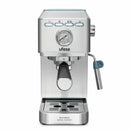
We sell machines and we sell the cups. We do not sell moka pots, and this is a case where the cheap answer and the right answer are the same one. Buy the machine only if you actually want espresso, and be honest with yourself about that before spending several hundred dollars to find out.